
How Far Can a 60V 20Ah Electric Moped Go?
The Jimsen K3-2.0 combines a 60V 20Ah lead-acid battery with a 500W rear hub motor and a published typical range of up to 70km. But battery capacity alone does not determine how far an electric moped will travel. Speed, rider weight, traffic, terrain, temperature and battery condition all change the result.

The quick answer
The K3-2.0 is specified for a typical range of up to 70km per charge under suitable operating conditions. That figure should not be treated as a guaranteed distance for every rider. Higher speed, heavier loads, repeated acceleration, gradients, low tire pressure and battery ageing can all reduce usable range.
K3-2.0 Power System at a Glance
Range should always be considered together with the complete vehicle configuration. The K3-2.0 is positioned as a compact urban electric moped rather than a high-speed electric motorcycle or a heavy commercial delivery vehicle.
What Does 60V 20Ah Mean?
Voltage and amp-hour capacity describe two different parts of a battery specification. The K3-2.0 battery has a nominal voltage of 60V and a rated capacity of 20Ah.
The 1,200Wh figure is useful for understanding battery size, but it is not a fixed conversion into kilometres. The vehicle does not consume the same amount of energy per kilometre in every situation.
A 60V 20Ah battery used at moderate speed on flat roads may produce a very different distance from the same nominal battery used near maximum speed, under heavy load or on repeated gradients.
Why the Published 70km Range Is Condition-Dependent
An “up to” range figure represents suitable operating conditions. It should not automatically be interpreted as maximum-speed range, maximum-load range, cold-weather range or guaranteed daily mileage.
Moderate, steady urban riding
- Moderate cruising speed
- Relatively light rider and cargo
- Mostly flat paved roads
- Smooth acceleration
- Correct tire pressure
- Fully charged battery in good condition
Normal city commuting
- Regular traffic lights and intersections
- Changes between low and moderate speed
- Repeated braking and acceleration
- Normal rider and personal-item load
- Occasional gradients
Frequent riding near 40km/h
- Longer periods near maximum speed
- Stronger acceleration
- More aerodynamic resistance
- Less time spent at efficient cruising speed
Heavier rider or additional cargo
- More energy needed during acceleration
- Greater demand on gradients
- Stronger effect in stop-and-start traffic
- Range still depends on speed and road conditions

The Six Main Factors That Change Electric Moped Range
1. Riding speed
Maintaining a moderate speed generally uses less energy than travelling near the vehicle’s maximum speed for long periods.
2. Rider and cargo weight
Additional mass increases the energy required during acceleration and climbing, especially in urban traffic.
3. Traffic conditions
Repeatedly accelerating from a complete stop normally consumes more energy than uninterrupted cruising.
4. Road gradient
Frequent hills require the motor to work against gravity and can materially reduce the distance available per charge.
5. Tire pressure
Underinflated tires increase rolling resistance, making the motor work harder while also affecting handling and tire life.
6. Battery condition
Battery age, charging habits, storage conditions and maintenance can change the usable capacity available to the vehicle.
How Dealers Should Present the K3-2.0 Range
Dealers should avoid turning a condition-dependent range into an unconditional promise. A clear customer-facing statement is more useful than advertising one number without explaining how it was achieved.
The Jimsen K3-2.0 has a published typical range of up to 70km per charge. Actual range varies with riding speed, rider and cargo weight, road conditions, traffic, temperature, tire pressure and battery condition.
| Customer use | How to explain the range | Dealer consideration |
|---|---|---|
| Short-distance residential travel | The vehicle can support repeated short trips between charges under normal use. | Confirm convenient access to a charging point. |
| Normal urban commuting | Daily mileage should be planned with reserve capacity rather than around the full published maximum. | Ask about daily round-trip distance and traffic conditions. |
| Frequent higher-speed riding | Long periods near maximum speed can reduce the distance per charge. | Do not base the recommendation only on the “up to 70km” figure. |
| Heavy rider or cargo use | Additional load can reduce range, particularly with hills and frequent stops. | Confirm total rider and cargo weight before recommending the model. |
What Importers Should Verify Before a Bulk Order
For distributors and private-label projects, a product specification should be followed by a production-specification sample evaluation in the destination market. The test should reflect the expected rider, road and climate rather than an unrelated laboratory scenario.
Recommended sample range record
- Vehicle model and final production configuration
- Battery voltage, capacity, chemistry and production date
- Motor and controller configuration
- Rider and cargo weight
- Starting charge condition
- Average and maximum riding speed
- Road surface, gradient and traffic conditions
- Ambient temperature
- Tire pressure
- Final distance and test-ending condition
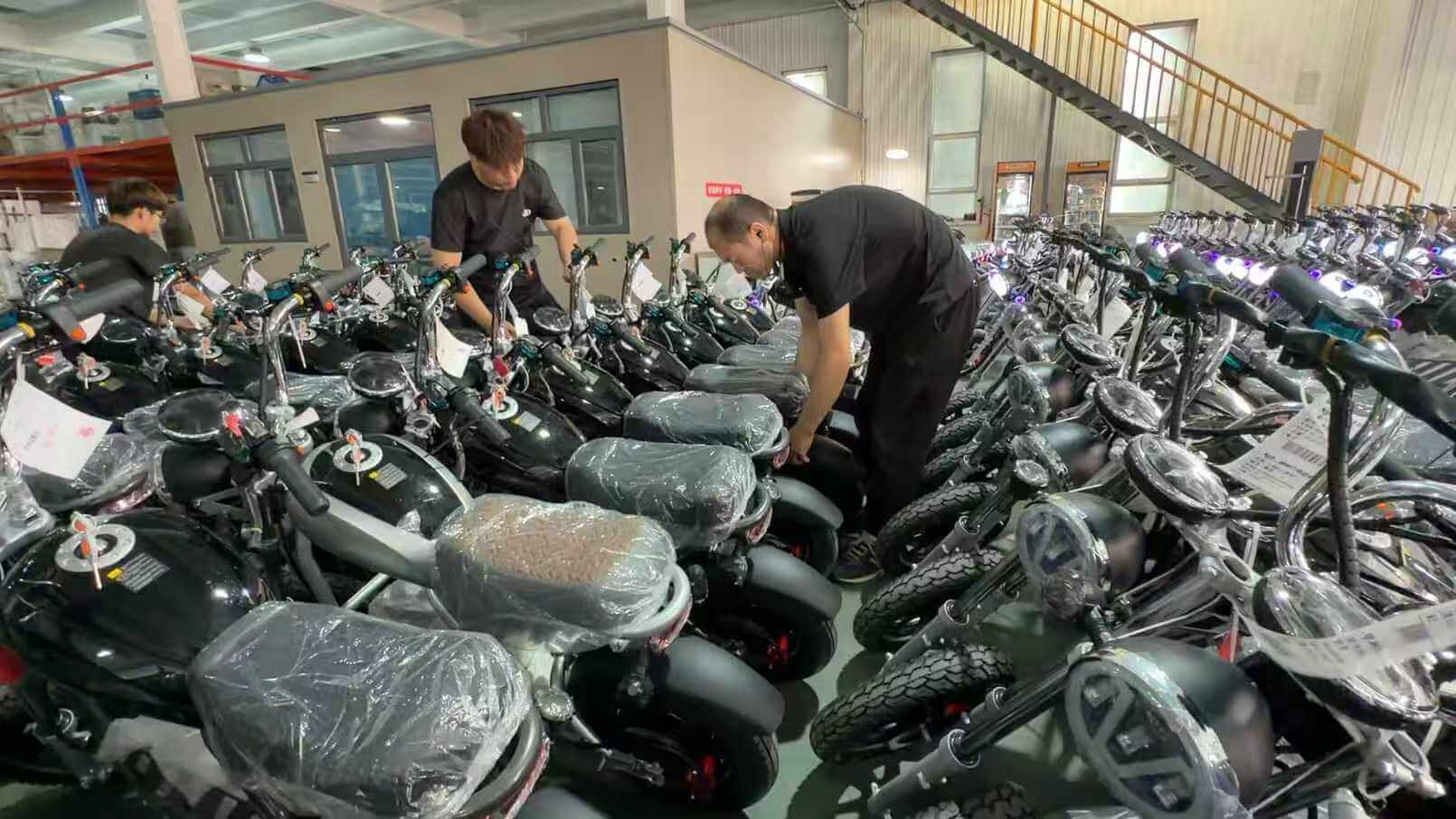
Is the K3-2.0 Suitable for Your Market?
The K3-2.0 is positioned for short-distance urban commuting, residential mobility and compact street transportation. Its 500W motor, low step-through structure, 42kg vehicle weight and 150kg payload capacity create a practical balance between everyday carrying capacity and manageable low-speed handling.
It is most suitable where customers value straightforward daily transport, moderate urban speed, familiar lead-acid battery servicing and a compact vehicle footprint.
A different configuration may be more appropriate for continuous high-speed riding, long intercity journeys, repeated steep-gradient operation or very high daily commercial mileage.
Frequently Asked Questions
How far can a 60V 20Ah electric moped go?
The distance depends on the complete vehicle and operating conditions. The Jimsen K3-2.0 has a published typical range of up to 70km per charge under suitable conditions. Speed, load, gradients, traffic, temperature and battery condition can reduce actual mileage.
How much energy does a 60V 20Ah battery contain?
Multiplying 60V by 20Ah gives 1,200Wh of nominal battery energy. This describes battery size but does not guarantee a fixed number of kilometres.
Can the K3-2.0 really travel 70km?
The vehicle may approach its published range under suitable conditions such as moderate speed, relatively light load, flat roads, correct tire pressure and a fully charged battery in good condition. The figure should not be treated as guaranteed maximum-speed or maximum-load range.
Does riding at 40km/h reduce range?
Frequent operation near maximum speed normally consumes energy more quickly than moderate, stable cruising. A customer who expects to remain near 40km/h should plan for less than the best-condition range.
Does rider weight affect electric moped range?
Yes. Additional rider or cargo weight increases the energy needed for acceleration and climbing. The effect is usually more noticeable in stop-and-start traffic and on hilly roads.
Is 60V 20Ah enough for daily commuting?
It can be suitable for many short- and medium-distance urban commutes. Dealers should compare the customer’s daily round-trip distance with the expected operating conditions and leave sufficient reserve capacity.
How should a dealer verify the range?
Use a production-specification sample and record the rider weight, speed, route, gradients, traffic, temperature, tire pressure, starting charge and final distance. The sample must match the final motor, controller and battery configuration.
Discuss Your Electric Moped Project
Send Jimsen your target country, daily distance, required speed, typical rider and cargo weight, road conditions and estimated order quantity. Our team can evaluate whether the K3-2.0 configuration matches your distribution or private-label project.
Editorial note: The published range is condition-dependent. Actual range may vary with vehicle configuration, production tolerance, speed, load, terrain, traffic, temperature, tire pressure, battery condition, maintenance and riding behaviour.